Why Dorset’s Best Festival Weekends Don’t Have a Main Stage
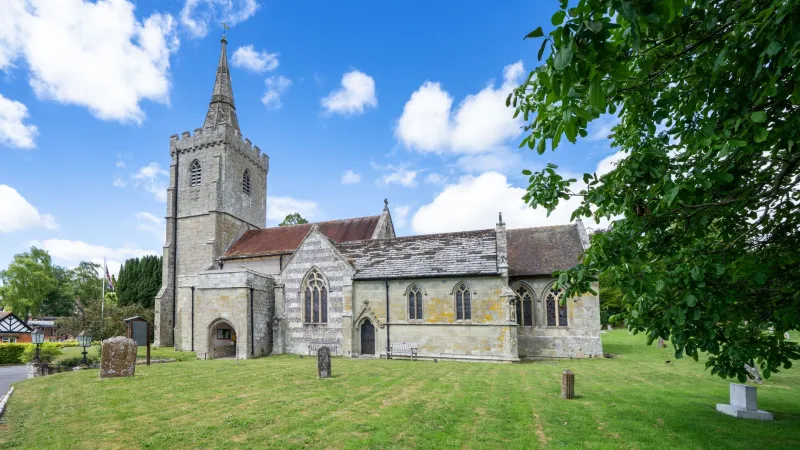
Ask someone to picture a Dorset festival and they’ll usually describe a big field, a distant stage, and a queue for the loo that snakes past a burger van. Fair enough. But the weekends that actually define festival-going in this county tend to be the ones that never make it onto a national lineup poster: the village-hall gig with forty folding chairs, the food fair in a working farmyard, the arts trail that takes over three churches and a scout hut. We keep calling these events ‘small’. It’s time we stopped.
‘Small’ Is a Loading Word
Small implies a prototype. Minor suggests something waiting to grow up. Neither captures what happens when a community puts on a weekend for its own people. A village-hall gig isn’t a scaled-down arena show; it’s a different art form. The acoustics are wonky. The bar is a trestle table. The person introducing the band probably made the cake. And yet you leave with the sort of specific memory — a song, a conversation, a slice of lemon drizzle — that a 30,000-capacity site rarely delivers.
Dorset is full of these weekends. They happen in Beaminster and Bridport, in Wareham and Wimborne, in the villages tucked between Sherborne and Shaftesbury. Some are food-led, some are music-led, plenty are a bit of everything. The common thread isn’t size. It’s ownership. People aren’t attending a product; they’re joining a room.
What a Field Can’t Do
Large festivals are brilliant at scale. They can book the headliner, build the lighting rig, and absorb a crowd of thousands without anyone feeling lost. But scale comes with a trade-off: everything has to work for everyone, which means most things end up working for no one in particular.
Community festivals can be gloriously specific. A food fair in the Marshwood Vale can build its whole Saturday around one producer’s new-season cider. A church hall can host a folk night where the interval is longer than the set because everyone needs to catch up. An arts weekend can fill a disused shop with local printmakers and no one asks whether it’s ‘commercially viable’. That specificity is the point. You don’t get it at a 12,000-capacity site because the economics won’t allow it.
There’s also the matter of pace. Big festivals ask you to sprint: arrive early, catch the support, hold your spot, eat at the right time, leave before the car park locks. Community weekends tend to amble. You can turn up at 11am for the coffee morning, drift back at 3pm for the workshop, and return in the evening for the gig. No one checks your wristband. No one minds if you skip the middle bit.
The 2026 Community Festival Test
So how do you choose the right one? Start with what you actually want from the weekend, not what looks impressive on a poster. Dorset’s community-scale events fall into three rough camps, and each suits a different mood.
If you want music without the crush, look for village-hall and church gigs with a capacity under 150. The listing will usually mention a licensed bar, a local support act, and a finish time before 11pm. That’s not a limitation; it’s a guarantee you’ll hear the lyrics.
If you want food with a face, find a field food fair or farm open day where the producers are the stallholders. The giveaway is a programme that names the farm, the baker, or the brewer rather than just the dish. You’ll spend less time queuing and more time talking to the person who made your lunch.
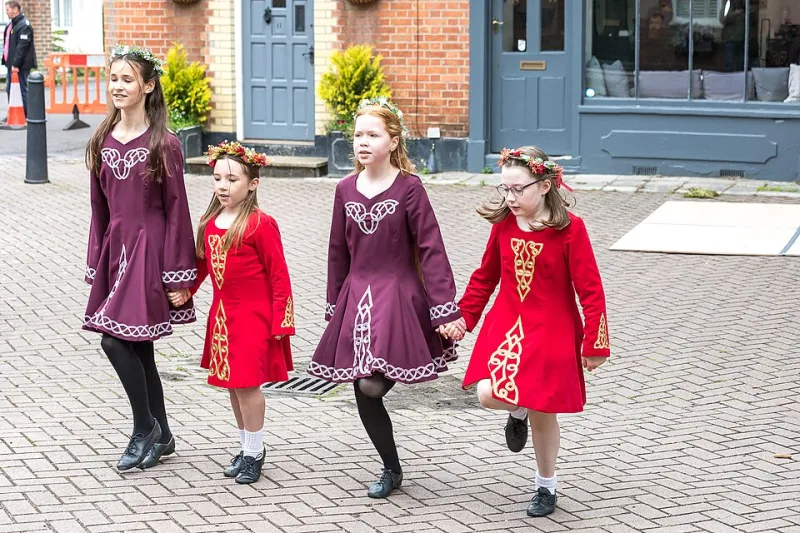
If you want a weekend that feels like a place, pick a community arts trail or a village festival with a procession, a church exhibition, and at least one event in a scout hut. These weekends are less about headline names and more about wandering between venues, which is exactly how you stumble on the good stuff.
Book the Weekend, Not the Lineup
The practical advice for 2026 is simple: choose the weekend first, then the events. Dorset’s community festivals rarely publish a full schedule months in advance, and that’s fine. Pick a village or a town you like the sound of, find the dates, and build your day around one anchor — a gig, a tasting, a workshop — then leave room for the rest. Bring cash for the raffle. Say yes to the cake. Read the parish newsletter if you want the real programme.
And when someone asks what you’re doing that weekend, don’t say you’re going to a small festival. Say you’re going to a proper one. In Dorset, that’s usually the same thing.