Quarries, Walled Gardens and Wind-Battered Fields: Dorset's Strangest Festival Stages
There is a particular kind of Dorset festival moment that you do not get in a city. It is the pause before a band starts, when you look up and realise the stage is backed by a quarry wall, a garden hedge, a barn door or a slice of sky above the sea. The setting is not decoration. It changes how the music lands, how the crowd behaves and how long you remember the night.
In 2026, the county's festival calendar is still full of these odd, beautiful sites. Some are well known; others are barely advertised beyond a mailing list. What they share is a sense that the landscape is the headline act, and everyone else is a guest. Here are a few of the strangest stages worth seeking out, and what you need to know before you go.
The quarry that makes every set feel like a secret
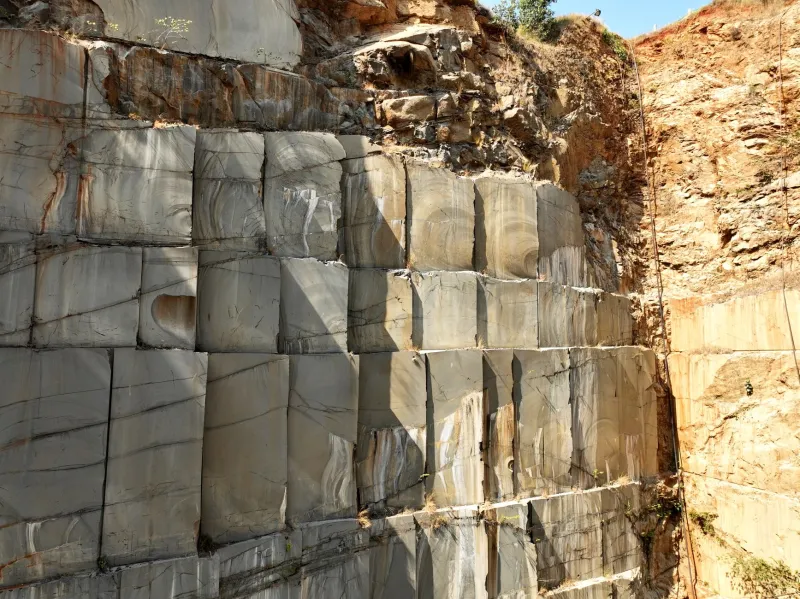
Start on Portland, where stone has been worked for centuries and the leftover spaces have a strange, amphitheatre quality. A small arts festival in a quarry does not need much staging. The walls do the acoustics. The light bounces. The wind arrives in gusts. You feel like you have stumbled into something that was not meant to be a venue at all.
'You don't decorate a quarry,' one organiser tells me. 'You just put a stage in it and get out of the way.'
That is the appeal. The stone is pale, the sky is huge, and the sound has a hard, clear edge. But quarries are not comfortable. Wear sturdy shoes, bring a torch for the walk back, and do not expect a smooth lawn. The ground is uneven, the edges are real, and the wind can turn a warm afternoon into a cold one within minutes. Check the site's access notes before you book, especially if you have mobility needs.
The walled garden where the weather is only half the story
A walled garden near Abbotsbury is another kind of stage entirely. Here the festival is not about scale. It is about shelter, scent and the feeling of being let in on a private party. The walls hold the sound close. The borders frame the crowd. A string quartet can feel like a headliner.
Tom, who helps run a small garden series, says the venue dictates the programme. 'You can't put a thrash band in a walled garden and expect the garden to win,' he says. 'But a folk trio at dusk? The place does half the work.'
The practical catch is that gardens are fragile. Stay on the paths. Do not spread a picnic blanket over a flowerbed. Bring a layer for when the sun drops behind the wall, and expect midges in still, warm weather. Arrive early enough to walk the site before the crowd settles. The best spot may not be the one closest to the stage.
The farmyard with a built-in interval
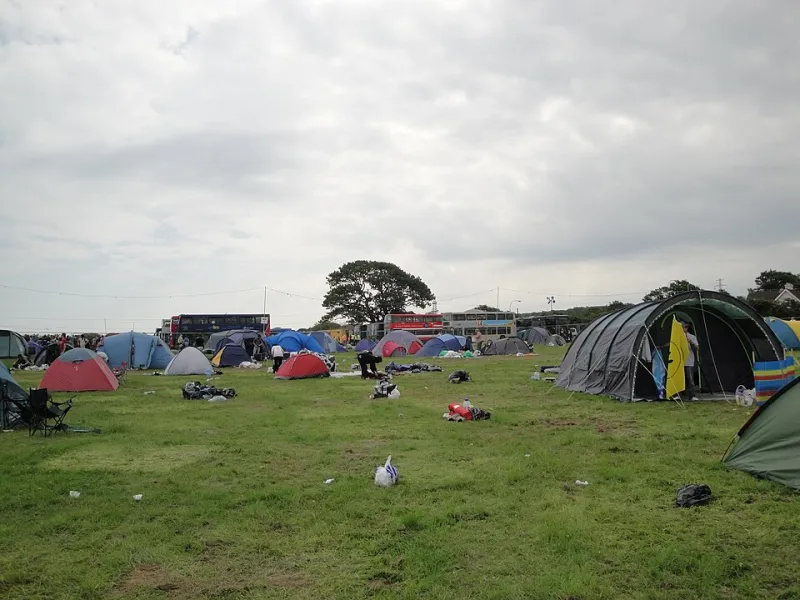
Some of Dorset's best small festivals happen on working farms, where the stage is a barn and the interval is announced by a change in the animal noise. A farmyard in the Marshwood Vale or near Bridport can feel gloriously improvised: bunting, a beer tent, a band in the corner, a field of tents beyond the gate.
The organisers I speak to are clear about one thing: the farm is not a blank canvas. It is someone's livelihood. Do not block gates. Do not chase the animals. Do not assume every patch of grass is fair game. Boots are essential, cash is useful, and a torch is non-negotiable if you are camping. The reward is a festival that feels embedded in the place rather than dropped on top of it.
The clifftop field that teaches you humility
Then there is the clifftop field. Dorset has several, and they are all magnificent and slightly alarming. The wind is stronger than you think. The sea fog can arrive like a curtain. The sunset can stop a set mid-song because everyone has turned to look at it.
A promoter who programmes a clifftop event above Charmouth laughs when I ask about staging. 'We plan for wind, rain and sun, often on the same day,' she says. 'The site is beautiful, but it is not passive. You have to work with it.'
That means windproof layers, a tent you can stake properly, and no ambitious gazebo plans. It also means checking access and tide times if the route to the site runs near the beach. The clifftop is not a place to wander off in the dark. Stay on marked paths, follow the stewards, and accept that the weather may rewrite the schedule. The upside is a sense of occasion that no indoor venue can manufacture.
Why the odd venues matter
It would be easy to treat these places as quirky backdrops. They are more than that. A quarry, a walled garden, a farmyard and a clifftop field each impose their own rules on a festival. They limit crowd size. They shape the sound. They make you pay attention to the ground under your feet. In a year when so much entertainment feels interchangeable, that is worth something.
They also spread money and footfall into places that do not have a big arena or a city centre. A festival in a village field can fill a pub, sell out a bakery and give a local taxi firm its best weekend of the season. That is not a small thing.
A short kit list for strange stages
Take sturdy shoes, a waterproof, a warm layer, a torch, cash, a power bank and a bin bag. Check the site's access notes. Book transport before you arrive. Do not bring glass unless the event says you can. And leave the field as you found it, minus the mud you are carrying home.
Dorset's strangest festival stages are not the easiest places to spend a weekend. They are, however, the ones you will still be talking about long after the line-up has blurred. The landscape is the headliner. Buy a ticket, bring the right shoes, and let it do its thing.