The Best Bit of a Dorset Festival Usually Starts at 10am
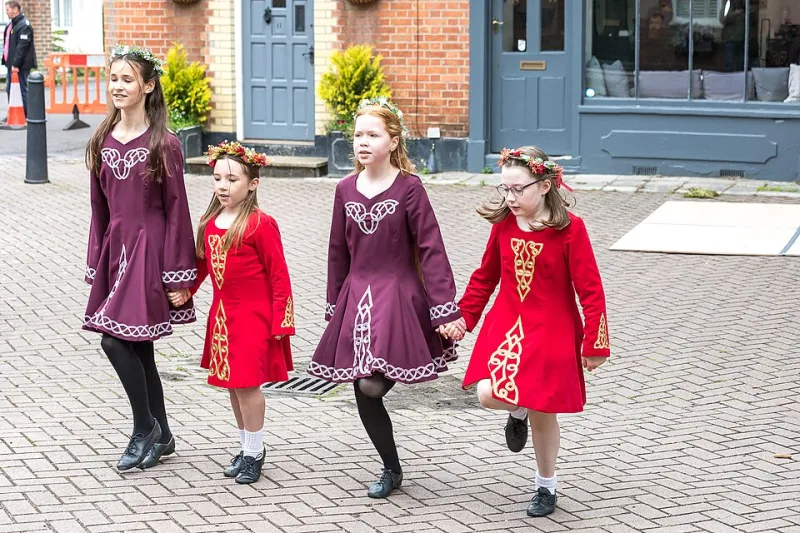
Photo: dorsetbays, CC BY-SA 2.0, via Wikimedia Commons
There is a moment at a Dorset festival, somewhere around 10.30 on a Saturday morning, when the main stage is doing nothing at all. A few people are folding chairs. Someone is testing a cable. A workshop is starting in a tent that smells of coffee and wet grass. Most visitors are still queuing for parking. If you have ever felt that festivals are something you endure until the headliner, this is the hour worth rearranging your day for.
The main-stage trap
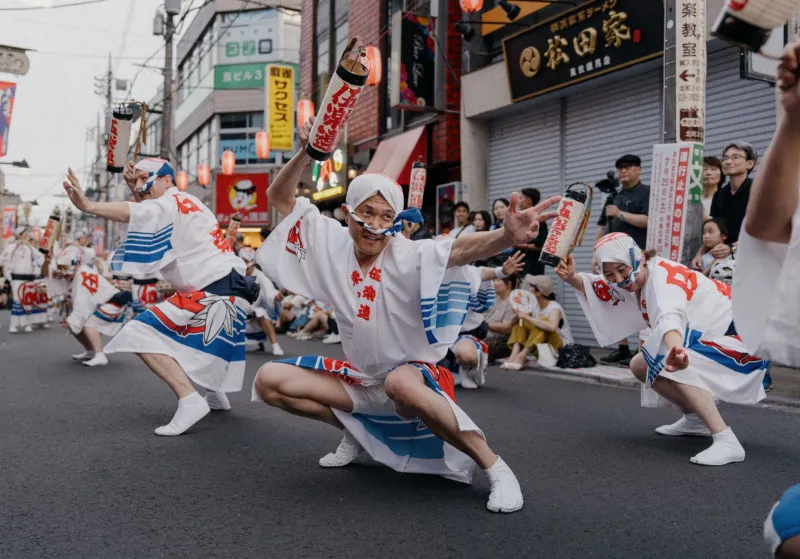
Festival programmes encourage us to think in headliners. We scan the bill, pick the act we know, and build the weekend around a set that may last ninety minutes. That is fine as far as it goes. But Dorset's calendar is full of events where the billing is only part of the story. Wimborne Folk Festival is not just an evening concert; it is a town centre full of dance sides, workshops and accidental audiences. The Lyme Regis Fossil Festival is not a warm-up for a band; it is a beach walk with a geologist. Camp Bestival Dorset has a main stage, but its morning circus tent and craft sheds are where families actually settle.
Morning is when Dorset shows its seams
At Sturminster Newton Cheese Festival, the first hour is when cheesemakers have time to talk. Ask about rinds, ageing and the difference between a good market stall and a great one, and you will get an answer rather than a queue. At Bridport Literary Festival, a morning walk can put you in the company of a writer and a dozen readers before the afternoon talks begin. Tolpuddle Martyrs' Festival builds towards a procession, but the earlier hours are when the village green feels like a place with a memory rather than a crowd.
Bournemouth Arts by the Sea is another example. The seafront installations are there all day, but early on you can stand in front of them without negotiating a selfie queue. The light is cleaner, the wind is fresher, and the volunteers have time to explain what you are looking at.
Soundcheck is theatre
There is a particular pleasure in hearing a band tune up before anyone is watching. At smaller Dorset festivals, the soundcheck is often the most honest performance of the day. A ceilidh band works out a tricky transition. A singer tries a verse at half volume. A sound engineer asks for more fiddle in the monitors. None of it is on the poster, and all of it tells you more about the music than the headline set will.
The same goes for the infrastructure around a festival. The Brownsea Island ferry queue is not usually described as entertainment, but it is where you see the shape of the day: families with picnics, theatregoers with folding chairs, volunteers with clipboards. By the time the play starts, you have already had a small adventure on the water.
A slower-day plan that still ends with music
A quieter festival day does not mean avoiding the main stage altogether. It means treating the headliner as one part of the day rather than the whole point. Arrive early. Pick one workshop before lunch. Eat before the queue forms. Walk away from the main stage for an hour in the afternoon. Check the tide. Talk to a stallholder. Sit down somewhere with no programme in your hand.
At a coastal event, that might mean a beach walk before the first act. At a town festival, it might mean following the sound of a workshop down a side street. At a food festival, it might mean watching a demo rather than simply buying the result. These are not lesser experiences. They are the reason the weekend stays with you.
The quiet hour is not anti-music
I still love a headline set. The moment the lights go down and a field finds its voice is hard to beat. But the richest festival memories are often the ones that do not fit on a line-up poster: a conversation at a cheese stall, a soundcheck heard by accident, a ferry ride with a picnic balanced on your knees, a workshop that makes you forget to check your phone.
Dorset is particularly good at this kind of festival. Its events are spread across towns, villages, beaches and islands, and they depend on local people as much as visiting acts. The quiet hour is where that local character shows. It is also where you stop being an audience and start being a participant.
So by all means book the headliner. Just do not sleep through the morning. The best bit of a Dorset festival usually starts before the first act, and it rarely announces itself with a poster.