Twelve Ways to Wreck Your First Dorset Festival Weekend in 2026
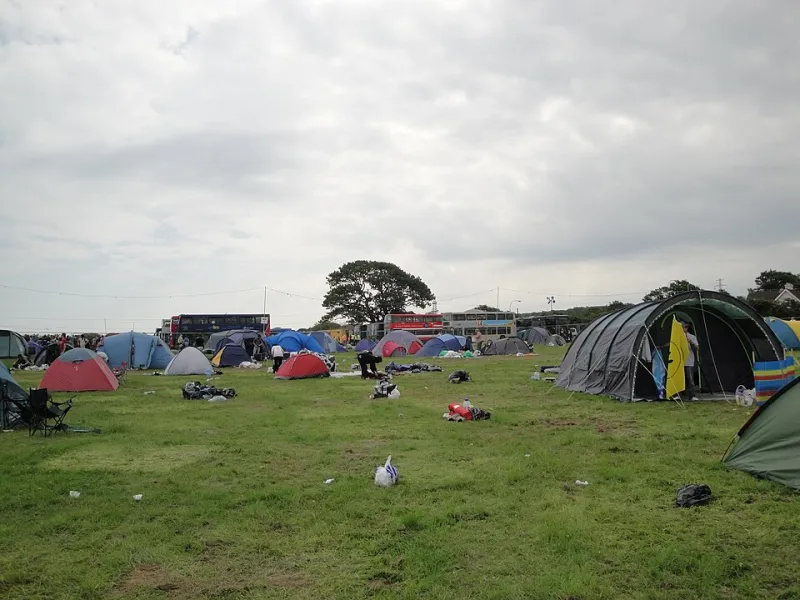
Photo: Editor5807, CC BY 3.0, via Wikimedia Commons
First Dorset festival? Good choice. The county does small, strange and generous weekends better than almost anywhere, whether you are heading to a winter lights gathering, a spring food fair or a summer field with a stage in the corner. But Dorset also has a way of exposing every gap in your planning. The weather changes its mind. The lanes are narrower than the map suggests. The last shuttle leaves while the encore is still ringing out.
None of this is a reason to stay home. It is a reason to learn from other people's mild disasters. Here are twelve mistakes to avoid in 2026, written in the spirit of saving you money, time and at least one embarrassing walk back to the tent in the dark.
1. Buying the ticket at the last minute — or too early without reading the small print
Dorset's best small festivals do sell out, but they rarely do it in a dramatic, headline-making way. They just quietly stop selling. If there is a 2026 event you have your eye on, join the mailing list and check the tier dates. Equally, do not panic-buy before you have read the terms: some tickets are non-refundable, some charge for parking separately, and some include camping while others do not. A cheap ticket with a £30 parking add-on is not a cheap ticket.
2. Treating the campsite like a city break
A festival campsite is not a hotel with worse pillows. It is a shared field with a shared mood. Pitch considerately, leave a gap between you and your neighbour, and do not build a windbreak fortress that blocks a path. Arrive earlier than you think you need to if you want a flat pitch. And if someone is struggling with a tent in the rain, help them. You will probably need the same favour by Sunday.
3. Packing for the forecast you want, not the one Dorset gives you
Dorset weather does not do stable. A morning of sea fog can turn into sharp sun by lunch and a horizontal drizzle by teatime. Bring layers, a proper waterproof, spare socks and both wellies and trainers. The trainers are for the dry spell you did not believe would arrive. The wellies are for the path you thought was grass. A warm hat in June is not ridiculous here.
4. Forgetting that the coast path is not a pavement
If your festival is near the coast, the walk between the site and the village may involve mud, stiles, nettles and a slope that looks innocent on Google Maps. Wear shoes you can trust. Carry a torch if you are coming back after dark. Do not attempt a clifftop shortcut in flip-flops because it looked short on the screen. It is never as short as it looks.
5. Assuming there will be a taxi when you want one
Dorset is not London. Outside the bigger towns, taxis are thin on the ground, especially late at night. Ride-hailing apps are patchy. Book a local minicab in advance, save the number of a village firm, or use the festival shuttle if there is one. If you are relying on a lift from a friend, agree a meeting point before the phone signal disappears. It will disappear.
6. Missing the last shuttle because the headliner overran
Festival shuttles are wonderful and unforgiving. They do not wait for the final chorus. Check the last departure time when you arrive, not when you are tired and hopeful at 11pm. Set an alarm. Tell your group. If the site is a long walk from anywhere, this is the single most useful thing you can do all weekend.
7. Ignoring tide times and sunset
A clifftop field at golden hour is one of the great Dorset festival pleasures. A beach access route that relies on the tide being out is a different experience altogether. If the site is near the sea, check tide times and sunset before you wander. Do not let a beautiful detour turn into a scramble. The coast is not a backdrop; it is an active participant.
8. Bringing glass, disposables and a bad attitude to the bins
Many Dorset events are held on farmland, in gardens or on protected ground. That means no glass, no abandoned tents and no leaving your picnic blanket to become someone else's problem. Bring a reusable cup if the event allows it, carry a bin bag for your own rubbish, and use the recycling points properly. The field has to recover. The organisers have to explain themselves to a farmer.
9. Over-scheduling the day
You will not see everything. Accept it now. Pick two must-sees per day, then let the rest happen. The best bits of a Dorset festival are often the unplanned ones: a chance conversation by the food stalls, a second set from a band you had never heard of, a pint in a village pub that turns into the real headline. A packed schedule is just a list of things to feel guilty about.
10. Not checking accessibility and ground conditions
Festival websites are getting better at this, but ask directly if you need to. Is the site on a slope? Are the paths gravel, grass or mud? Is there a viewing area? Are the toilets accessible after rain? Dorset's beauty often comes with uneven ground. A quick email in advance is far better than discovering the answer at the gate.
11. Forgetting cash and a power bank
Card machines fail. Signal drops. The village hall cake stall may be cash-only. Carry a little cash, a power bank and a charging cable. Download any tickets or maps before you leave. If you are camping, a small torch and a spare battery are worth their weight in gold. Do not rely on your phone as your only map, clock, ticket and torch.
12. Leaving without a plan for Monday
The final morning is not the time to realise you have a four-hour drive and no water. Book the Monday off if you can. Pack the car before the last night's headliner, not after. Keep a clean, dry change of clothes in the car. Drink some water. Eat something that is not fried. The aim is to come home tired and happy, not ill and furious with a tent.
None of these mistakes are catastrophic on their own. Together, they are the difference between a weekend that feels charmed and one that feels like a series of small battles with the weather. Dorset rewards a bit of preparation. Bring the right shoes, read the shuttle timetable, be kind to the field, and leave room for the unexpected. That is the whole guide, really.