Swap the Setlist for a Shift: Why Volunteering Might Be Dorset’s Smartest Festival Ticket

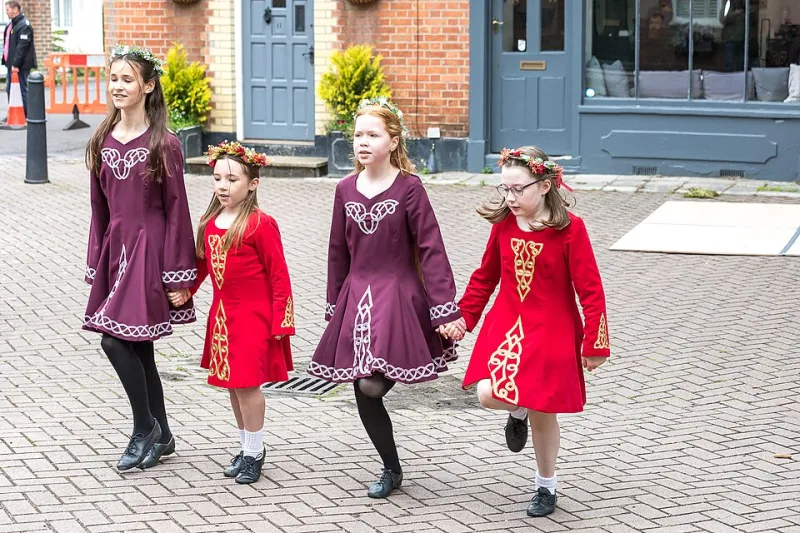
Photo: Ian Berry, CC BY-SA 4.0, via Wikimedia Commons
I am not going to pretend that volunteering at a festival is a free ticket. It is not. You will work. You will probably get muddy. You may miss the one band you actually came to see because your shift overran and the queue at the bar went feral. But after a few years of watching Dorset festivals from both sides of the barrier, I have come round to a simple opinion: a volunteer pass is often the most interesting ticket in the field.
The maths is the easy part. In 2026, a weekend ticket, camping and a few meals can add up quickly. Many festivals offer volunteers a deposit-back scheme, a meal token or two, a crew campsite and a shift pattern that leaves you with real time off. That is worth having. But the reason people come back is rarely the discount. It is the fact that a few hours behind the bar or on a gate changes how the weekend feels.
The maths is only half the story
When you pay for a ticket, you arrive as a customer. That is fine. You are there to be looked after, and a good festival should look after you. When you volunteer, you arrive as part of the machine. You learn where the water points are, which gate is chaos at 6pm, which steward has the good radio patter and which food stall feeds the crew properly. You see the festival as a small town rather than a stage with a field attached.
That shift in perspective is the real perk. You notice the accessibility lane because you are directing people into it. You notice the litter because you are picking it up at 8am before the site wakes up. You notice how quickly a calm crowd can turn when a gate closes or a set is delayed. It makes you a better festivalgoer, and it makes you far less likely to moan about a 20-minute queue when you have just spent three hours managing one.
How to find a crew that fits
Start with the festivals you already like. Most publish a volunteer or crew page, usually months before the event. Read the small print: deposit amount, shift length, training requirements, arrival and departure dates, whether food is included and whether you need your own tent. If the information is vague, ask. A festival that cannot explain its volunteer terms clearly is probably not the one to cut your teeth on.
Local charities, arts organisations, community groups and sports clubs often run volunteer teams at Dorset events. That can be a gentler route in, especially if you are nervous about doing a solo shift. Ask what the role involves, who you will report to and whether you can request a buddy. Do not leave it until June for a July festival. Good crews fill up early.
What the jobs actually involve
Bar work is the classic. It is fast, sociable and physically tiring. You will learn the till, the token system or the card reader, and you will become very good at saying no to someone who has clearly had enough. Stewarding is more varied: directing traffic, checking wristbands, keeping fire lanes clear, helping lost people find the campsite. Gate work is calm under pressure. Litter picking is early mornings, bin runs and recycling. Catering is hot, long and not for the faint-hearted. Site crew can be heavy work. Artist liaison sounds glamorous and is mostly walking quickly with a clipboard.
Pick the job that matches your energy, not the one that sounds coolest. If you have a bad back, do not volunteer for site crew. If you hate crowds, avoid the main gate at peak time. If you are a natural talker, stewarding or welfare might suit you better than a lonely litter shift at dawn.
The bits nobody puts on the poster
The crew campsite is often the best bit. You will meet people who have been volunteering for a decade, people who are trying it for the first time and people who know exactly where the nearest decent chips are. You will get behind-the-scenes access without being annoying about it. You will also get tired feet, a weird tan and the particular joy of eating a disappointing pasta bake at 11pm because the food stall closed early.
And yes, you will miss things. A shift can clash with a headline set. The weather can turn. Your feet can give up. That is the trade. The trick is to accept it before you arrive and to choose a festival where the lineup is not the only reason you are going.
Why it says more than the headline act
A festival’s volunteer culture tells you a lot. Are crews fed properly? Are breaks respected? Is there a quiet space for tired volunteers? Do stewards get a proper briefing, or are they handed a high-vis and wished good luck? The answer says more about a festival’s values than any press release about community spirit.
If a festival looks after its volunteers, it probably looks after its audience too. If it treats volunteers as cheap labour and expects gratitude, that tells you something as well. You do not need to make a political point of it. Just ask a few questions before you sign up.
A sensible first shift
Choose a smaller Dorset festival for your first year. Take one or two shifts rather than the full weekend. Read the handbook. Arrive early. Bring comfortable boots, a waterproof, a refillable bottle and a head torch. Say yes to the briefing. Ask where the crew welfare tent is. And leave a bit of energy for the bit after your shift, when the festival becomes yours again.
Volunteering is not for everyone. If you want a completely uninterrupted weekend, buy a ticket and enjoy it. But if you are curious about how a Dorset festival actually works, if you want a cheaper weekend and a few stories that are not just about who played the main stage, take the shift. The headliners are on the poster. The crew is the reason the poster exists.