Level Ground: What Disabled Festivalgoers Need to Know Before a Dorset Weekend in 2026
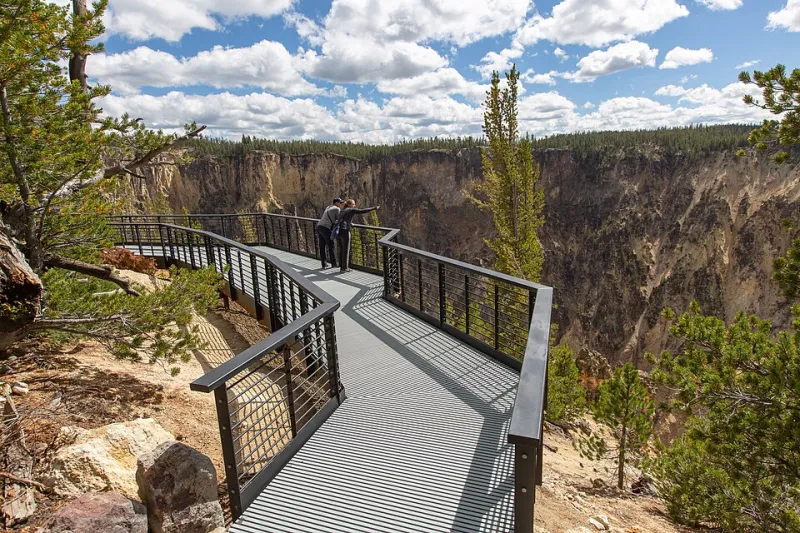
Photo: Yellowstone National Park, Public domain, via Wikimedia Commons
Festival accessibility is not a ramp at the gate and a paragraph on a website. In Dorset, where a sunny afternoon can turn a clay track into a slide and a coastal field can feel a long way from the car park, the details matter. Organisers are getting better at this. Some are genuinely excellent. Others are still learning that access is a design issue, not an afterthought.
This is a practical guide for disabled festivalgoers, carers and anyone who wants a calmer weekend. It is also a nudge to organisers: the best access work is visible before anyone arrives, not improvised when someone asks at the box office.
Start with the site, not the line-up
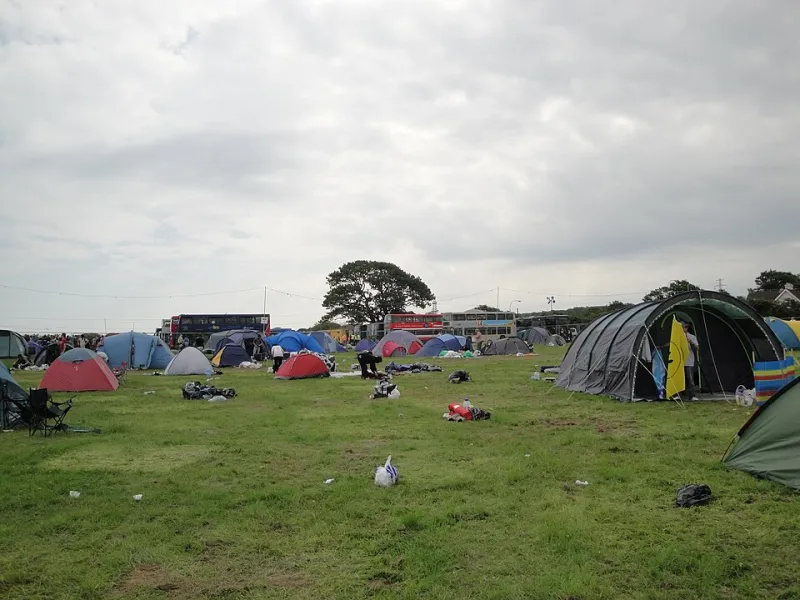
Dorset festival sites vary wildly. You might be on a working farm near Bridport, a grassy estate in Purbeck, a showground outside Dorchester or a windswept field within earshot of the Jurassic Coast. Ask about the ground itself. Is the main arena on grass, trackway, hardstanding or a mix? What happens after rain? How far is the accessible car park from the gate, and from there to the campsite?
A useful question is simple: can you send me a map showing accessible routes, accessible toilets, viewing areas and the shortest route from parking to the arena? If an organiser cannot answer that in 2026, treat it as a warning sign. Ask about gradients, uneven ground, kerbs, temporary bridges and lighting after dark. Ask whether mobility scooters can be charged and whether there is a buggy service or volunteer transport for people who need it.
Viewing platforms: capacity, sightlines and the small print
A viewing platform is only useful if you can get on it, see from it and leave it without a fight. Ask how many wheelchair spaces there are, whether companion tickets are included, whether the platform is covered, and whether it is booked in advance or first come, first served. Ask about sightlines: is the platform raised enough to see over standing crowds? Are there screens? Is there a steward? Is there a time limit during headline sets?
If there is no platform, ask about an accessible viewing area at stage level. Some festivals do this well with a marked zone and a steward. Others mark a patch of grass and hope for the best. The difference is usually capacity and communication.
Toilets, showers and changing places
This is where token gestures show up fast. One accessible toilet at the far end of the site is not a plan. Ask how many accessible toilets there are, where they are, whether they are locked and how you get a key. Ask whether they are checked and cleaned regularly, and whether they appear on the public map. If you need a Changing Places facility, ask directly — do not assume the phrase means the same thing to every organiser.
Showers and washing facilities matter too, especially for longer weekends. Ask about step-free access, grab rails, lighting and queue management. If you have medical equipment or medication that needs cooling, ask about welfare tents, fridges and private space.
Quiet spaces and sensory needs
A quiet space should not be a patch of grass next to the bass bin. Ask where it is, what hours it runs, whether it is covered, whether there is seating and whether lighting can be dimmed. For neurodivergent festivalgoers, families with young children and anyone managing anxiety, a genuine low-stimulation space can be the difference between staying for the weekend and going home on Saturday morning.
Ask whether ear defenders are available, whether welfare staff are trained in sensory needs, and whether there is a calm route between the campsite and the arena. These are not luxury items. They are basic infrastructure for a lot of people.
Tickets, companion passes and paperwork
Access booking schemes vary. Some festivals offer a free companion ticket; others charge a deposit or ask for evidence. Ask what evidence is accepted, how long approval takes, and what happens if your needs change closer to the event. Ask who monitors the access inbox and how quickly they reply. A helpful scheme should not feel like a test you can fail.
Check the refund policy too. If you become unwell or your care arrangements change, what are your options? Ask about arrival times, accessible parking passes and whether you can arrive outside the standard windows.
Terrain, weather and getting around
Dorset weather is not malicious, but it is not always helpful. Rain can turn a route that looked fine on a map into a muddy detour. Ask whether main routes are trackwayed, whether straw is laid, and whether the site is lit at night. Ask about distances in minutes, not metres — a 400-metre walk across a field feels very different with a wheelchair, crutches or a tired child.
If you use a powerchair or scooter, ask about charging points and whether they are under cover. If you need to leave the site for medication or a rest, ask about re-entry rules.
Talk to people who have actually been
Organiser answers are useful. Other festivalgoers are often more useful. Look for disabled festival groups, local disability organisations and community forums. Ask what worked, what failed and what they wish they had known. A five-minute conversation with someone who has navigated the same site can save you a weekend of guesswork.
A pre-booking checklist for 2026
- Ask for the access map before you buy.
- Confirm companion ticket rules, evidence and deadlines.
- Check viewing platform capacity, booking and sightlines.
- Count the accessible toilets and ask about Changing Places.
- Ask about quiet space location, hours and noise levels.
- Check terrain, trackway, lighting and distances from parking.
- Ask about mobility scooter charging and volunteer transport.
- Confirm access inbox response times and refund policy.
- Look for recent feedback from disabled festivalgoers.
What meaningful improvement looks like
It looks like access information published early, not buried in a FAQ. It looks like trained stewards who know where the viewing platform is. It looks like trackway on the main routes, reviewed after bad weather. It looks like a companion ticket process that is clear and fair. It looks like organisers asking disabled visitors what went wrong last year and changing something because of the answer.
Dorset festivals are capable of this. The best ones already do it. If you are organising a weekend in 2026, publish the detail, walk the site with a wheelchair user and a neurodivergent visitor, and treat access as part of the production budget rather than a charitable extra. If you are planning a visit, ask the awkward questions early. A good festival weekend should be about choosing what you want to see, not hoping the ground will be kind.