A Bed Six Miles Away: The Dorset Festival Basecamp That Saves Your Sunday
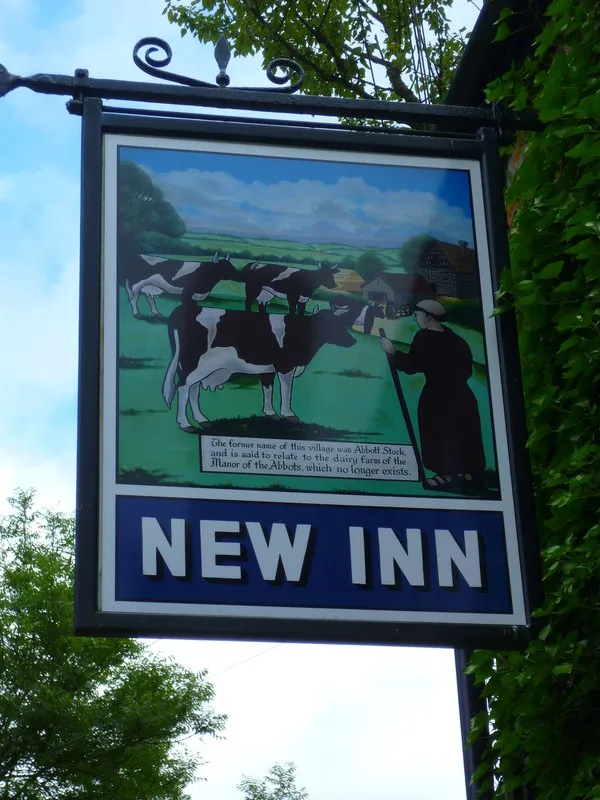
Photo: Shazz , CC BY-SA 2.0, via Wikimedia Commons
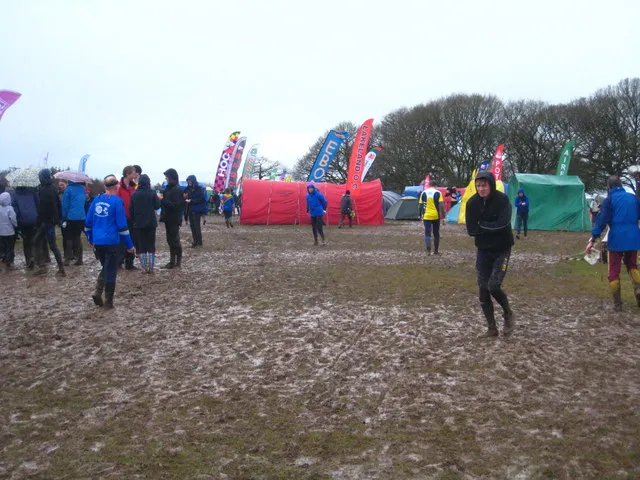
Every festival weekend has a moment when the tent stops being a romantic idea and becomes a damp obstacle course. It is usually about 7am, when the field is steaming, the zip has jammed and someone two pitches over is boiling a kettle with the enthusiasm of a brass band. That is the moment the six-mile rule starts to make sense.
The rule is simple: if you can find a pub room, village B&B or independent campsite within roughly six miles of a Dorset festival site, it is worth pricing up before you default to another night under canvas. This is not an attack on camping. A festival field at midnight is one of the county's great social experiments. But a bed, a shower and a cooked breakfast can change the shape of a weekend, especially if you are driving, carrying a dodgy knee or simply past the age of pretending a roll mat is comfortable.
Why six miles is the useful number
Six miles is close enough to feel connected and far enough to escape the 6am clatter of gas canisters. In rural Dorset it is often about fifteen minutes by car, a manageable cycle on the quieter lanes, or a short taxi from a village pub. It is also a sensible filter when you are staring at a map of the Blackmore Vale, the Purbeck ridge or the lanes behind Bridport and wondering whether the next town is just down the road.
In 2026, with fuel and accommodation prices still doing their own thing, the aim is not to find the cheapest possible bed. It is to find the base that leaves you with enough energy to enjoy the Sunday. A room six miles out can do that. A room thirty miles out usually cannot.
The checks that matter before you pay
Start with taxis. Ask the festival organiser which local firms actually cover the site, then ring one and ask if they will take a booking for 11.30pm on a Saturday. Do not assume a ride-hailing app will save you; in much of Dorset it will not. Pre-book the return trip if you can, save the number, and carry some cash in case the card machine in a rural cab is having a moment.
Next, check late licensing and check-in times. A pub may stop serving food at nine, even if the bar stays open. A B&B may have a key safe but no midnight welcome. An independent campsite may have quiet hours that start exactly when the festival is getting interesting. None of these are deal-breakers, but they are the details that turn a good idea into a stressful one.
Ask about shuttle routes too. Some festivals run a minibus from a nearby village or official car park; some do not. Find out where it stops, whether it runs on Sunday, and what happens if the last bus leaves before the final act. Parking is the other quiet test. If the accommodation has a tight lane and no marked spaces, do not be the car that blocks a farm gate at midnight. Ask where you should leave the car, and whether you can walk to the site.
Finally, breakfast. A village cafe, a pub doing bacon rolls or a farm shop within walking distance is not a trivial detail. It is the difference between a slow, pleasant morning and a grim hunt for a service station.
What it does for the village
There is a practical reason to stay close besides comfort. Money spent in a pub room, a B&B, a taxi, a village shop or a breakfast hatch tends to stay in the host community. That matters in places where the festival is a big weekend but not a big business. The ticket price is only one part of the local economy.
This is not about being pious with your spending. It is about recognising that a village is not a dormitory for the festival. Keep the noise down when you come back, do not treat the pub garden as a second stage at 2am, and buy something from the shop if it is open. The six-mile rule works best when the visitor is a guest, not a nuisance.
Keeping the festival atmosphere
A bed does not mean missing the atmosphere. Plenty of people do a hybrid weekend: camp on the Friday, take a room on the Saturday, or stay nearby and return for the late sets by pre-booked taxi. The pub garden can be its own festival green room. You will meet other people doing the same thing, compare blisters and share tips about which gate has the shortest queue.
The point is to choose the base that suits the weekend you actually want. If the ritual of the tent is the whole point, camp. If you want to arrive home on Monday without a damp sleeping bag hanging over the radiator, look six miles out.
For 2026, the sensible plan is boring but effective: book direct, ask the awkward questions, confirm the taxi, save the numbers, pack a torch and earplugs, and keep a bit of cash for the journey back. The best basecamp is not the fanciest one. It is the one that gets you to the last song and home without a drama.