The Quiet Art of Not Colonising a Dorset Festival Field
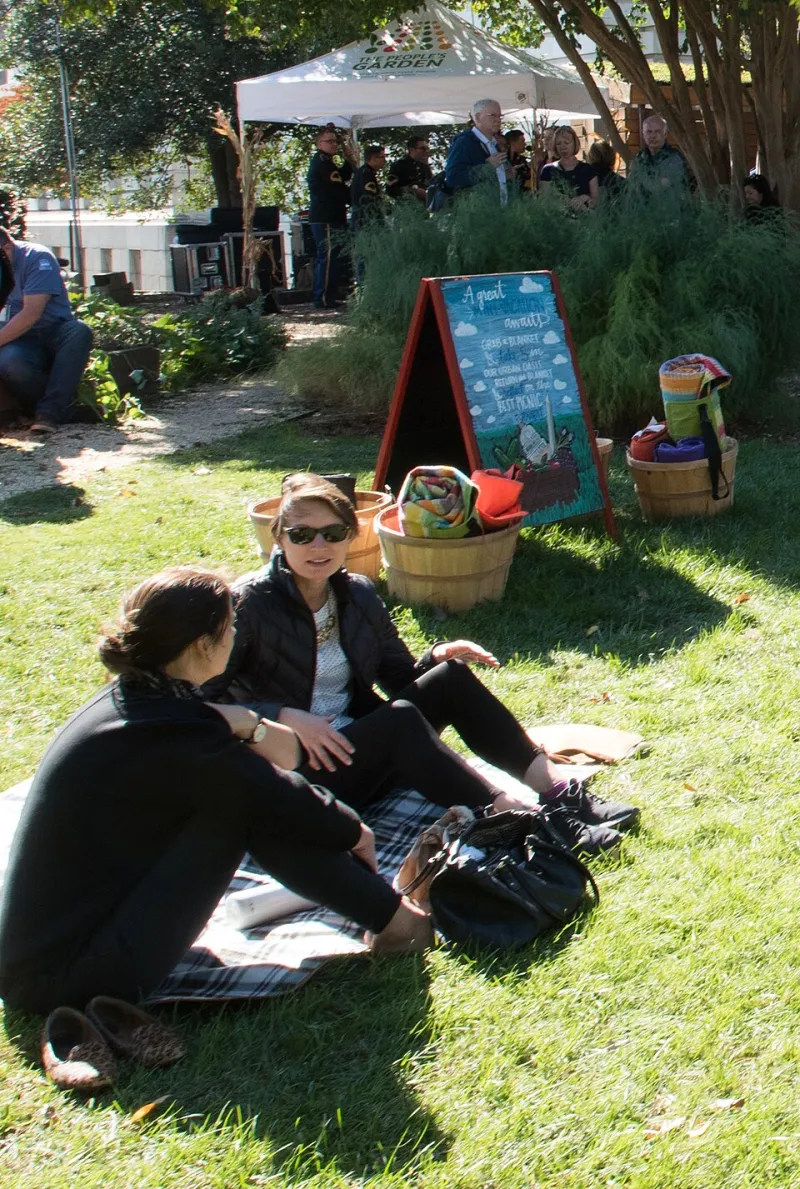
Photo: U.S. Department of Agriculture, Public domain, via Wikimedia Commons
There is a moment at almost every Dorset festival when a pleasant field quietly turns into a negotiating table. Someone unfolds a camping chair. Someone else lays out a picnic blanket. A third person arrives with a tarpaulin large enough to land a small aircraft, and within ten minutes the unspoken question has settled over the grass: who gets the good spot, and who is about to spend the headline set staring at the back of a stranger’s head?
Festival etiquette is rarely printed on the ticket. It is not in the terms and conditions, and it is certainly not explained by the cheerful volunteer at the gate. But it matters. A bit of thought about space, sightlines and other people’s needs can be the difference between a lovely weekend and a low-level turf war conducted through sighs and side-eye.
A chair is a seat, not a settlement
Camping chairs are one of the great festival comforts. They are also one of the great festival irritations when used as though the patch beneath them has been passed down through generations. The general rule is simple: bring a chair if you like, but do not build a small kingdom around it.
At the front of a stage, chairs are usually a poor idea. People stand, sightlines shift, and a seated row becomes a low wall that everyone behind has to peer over. Further back, where the crowd is thinner and the atmosphere is more picnic than pit, a chair is fine. The trick is to keep your footprint honest. One chair per person, a bag at your feet rather than spread out beside you, and no imaginary patio.
If you arrive early enough to claim a spot, enjoy it. But early arrival is not a permanent lease. If the field fills up and you are asked politely to shift a chair so someone can pass, the answer is not a lecture about how long you have been there. It is “of course”.
Blankets have edges for a reason
The picnic blanket is a wonderful thing. It says: we are here for the long haul, we have brought snacks, and we are prepared to sit on slightly damp grass in the name of a good time. What it should not say is: this entire postcode belongs to us.
A blanket should be roughly the size of the group using it. If four people are sitting on a blanket designed for twelve, you are not being generous; you are quietly annexing space that someone else could use. The same goes for the optimistic groundsheet that appears at 11am and remains untouched until dusk. Saving space is a delicate business. A small gap for a friend who is fetching chips is reasonable. A roped-off encampment with no one in it for six hours is not.
Dorset’s festival fields are often uneven, sloping or bordered by hedges, which makes the good patches of flat ground more precious than they might look. That is exactly why the blanket rules matter. The best spot is not the one you defend most aggressively; it is the one you share without making a performance of it.
The tarpaulin is not a personality
Every year, somewhere in the county, a tarpaulin appears that seems to have been designed for a small wedding rather than a festival. It is spread out with the confidence of a country estate, often by a group who then vanish to the bar for an hour. This is where the tutting begins.
A large tarp can be useful in genuinely wet weather, and no one wants to begrudge a group sheltering from a Dorset downpour. But in dry conditions, a huge groundsheet is usually just a space-grab with better marketing. If you need shade, use a proper shelter that does not block sightlines. If you need a dry base, bring something that fits your group. If you need to reserve a spot for friends, send one person to sit on it rather than leaving a plastic prairie in the middle of the field.
And please, do not tie things to fences, trees or other people’s tents. A festival field is a shared front room for the weekend. You would not peg a windbreak across the middle of a mate’s living room, and the same logic applies here.
Sightlines are a shared resource
Much of this comes down to sightlines. A field can hold a lot of people, but it cannot hold a lot of people and a lot of unnecessary clutter at eye level. Tall chairs, umbrellas, flags on poles and gazebo frames all have their place, but that place is usually at the edges or well back from the stage.
If you are tall, consider whether standing directly in front of a shorter person is really the legacy you want to leave. If you are wearing a large hat, be aware that it is a small roof for everyone behind you. If you are holding up a phone to film the entire set, remember that the person behind is now watching your screen rather than the band. None of this requires a rulebook. It just requires a glance over the shoulder and a bit of common sense.
Accessibility is not a nice extra
One of the most important parts of field etiquette is making sure that “claiming space” does not become “taking space from someone who needs it more”. Accessible viewing areas, level ground and clear routes are not optional extras. They are part of how a festival works for everyone.
If you see a viewing platform or a marked accessible area, do not treat it as a convenient shortcut because the grass looks nicer there. If a route is kept clear, do not park your blanket across it. If someone asks you to move so they can get through with a wheelchair, a pushchair or a walking aid, move without making it awkward. The same applies to people who need to sit down during a set, or who cannot stand for long periods. A little空间 awareness goes a long way — and yes, that means leaving gaps rather than filling every inch with your group’s belongings.
The simple version
If all of this sounds like a lot, there is a short version. Arrive with what you need, claim only what you are using, keep your stuff close, look behind you, and move when asked. That is it. No one is asking you to perform perfect festival citizenship. They are asking you not to turn a field into a property dispute.
The best Dorset festival weekends tend to have a certain relaxed generosity to them. People shuffle over. Blankets get folded. Chairs get shifted. Someone offers a spare bit of groundsheet to a stranger caught in a shower. It is not a grand philosophy. It is just a field full of people quietly agreeing that there is room enough for everyone, provided no one decides to build a fence.