Framed, Not Pinned: The Dorset Festival Posters Worth Keeping
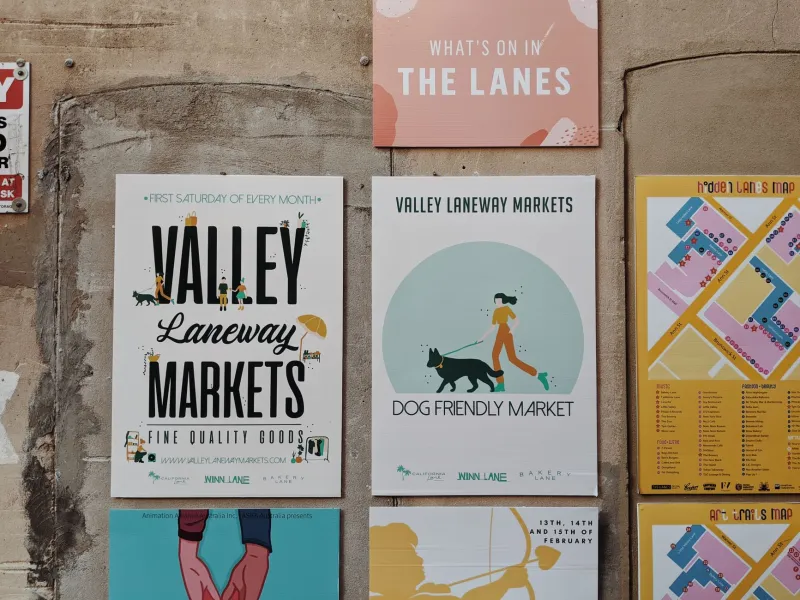
The noticeboard outside a village hall somewhere behind Beaminster is a reliable bellwether for how Dorset's festival year has gone. In June it held four posters, three of them the same template with a different date. By the middle of October, two had curled, one had been rained into a pulp, and the fourth had been taken home by somebody who liked it too much to leave it there. I've decided that last bit is the story.
The first act is a sheet of A2
A festival poster does a job no headliner can. Long before the gates open, before the first van reverses into a wet field, the poster is the entire weekend compressed into one image: the mood, the scale, the promise. For an event with 400 people on site, that image carries more weight than any line-up announcement. And in 2026, Dorset's small weekends have been quietly winning on paper.
Walk through Bridport, Sherborne or Wimborne this autumn and you'll see what I mean. The posters aren't apologetic photocopies any more. They're proper bits of design — two-colour screenprints, hand-drawn lettering, lino cuts with the gouge marks left in. People are taking them off noticeboards and framing them. That's a shift worth paying attention to.
The people behind the ink
Most of this work is coming from illustrators and small presses within an hour's drive of the festivals themselves. A two-person screen-printing outfit on the edge of Bridport has done three festival commissions this year, all of them printed by hand in editions of 60. A letterer in Wimborne draws type with a brush pen and turns it into a digital file that a printer down the road outputs onto 300gsm stock. A risograph studio in Swanage has been turning out three-colour posters with that slightly offset, powdery look that riso does better than anything else.
The money is modest. Commissions tend to land somewhere between £150 and £400, and a fair few are part-paid in tickets, a pitch for the artist's stall and a few pints. Nobody is getting rich. But the standard has gone up, because festivals have worked out that a poster is the cheapest piece of branding they'll ever buy.
Six weeks, three screens and a fair bit of swearing
A poster usually starts with a conversation in a kitchen. The festival organiser — often one person with a laptop and a strong opinion about fonts — briefs the artist on the vibe: folk and fires, say, or a day of brass bands in a walled garden. The artist sketches. The sketch gets sent round a committee of four people who all reply at different speeds. Then the real work starts.
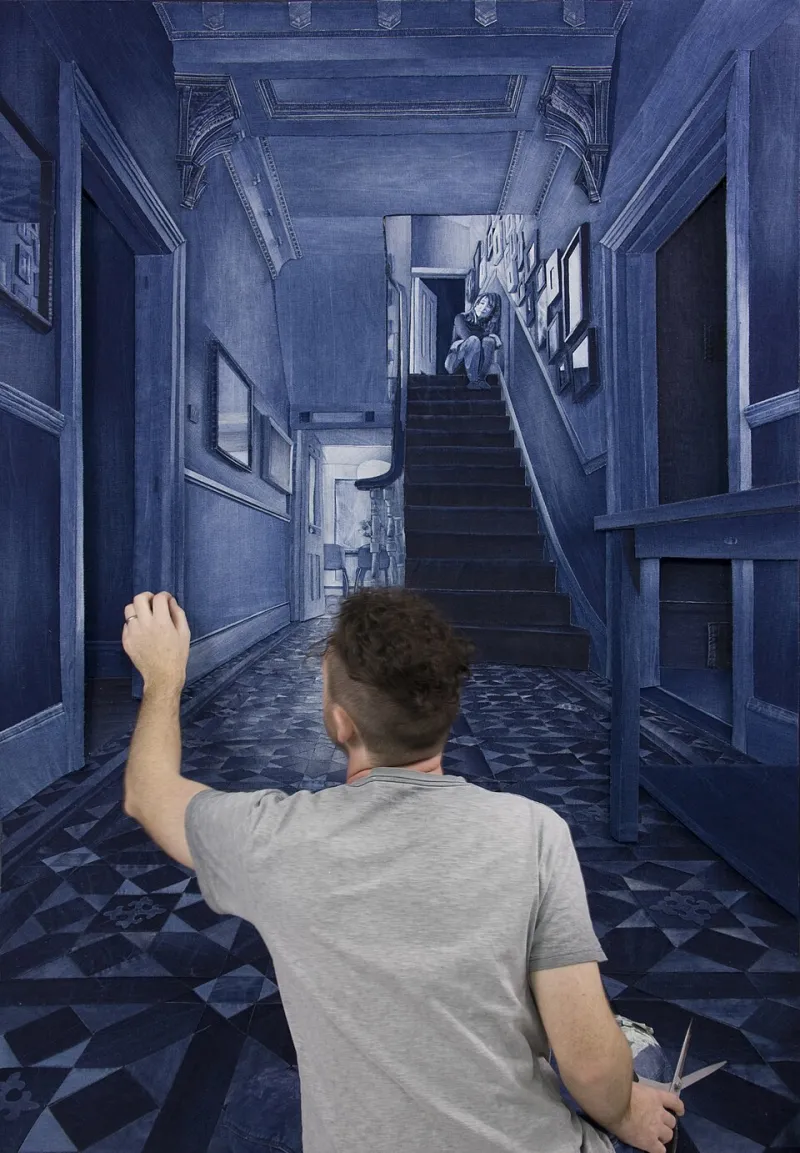
Screen printing is a sequence of small, unforgiving steps: separations, screens, exposure, ink, drying racks. A three-colour print means three passes and three chances for the registration to slip by a millimetre. Good posters leave the slips in. It's a useful reminder that the whole weekend was made by people, not a template.
The deadline matters more than the design. Posters need to be up six weeks before the gates open, which means the artwork is usually signed off in spring for a summer event. A few festivals have started printing in November for the following year, which is either sensible planning or a sign that the designers are bored.
Why the small ones are out-designing the big ones
Big festivals have brand guidelines. Small ones have taste. That's the trade-off, and right now the small ones are winning it. A generic flyer with a stock photo of a crowd says nothing except 'we exist'. A poster with an actual illustration, printed by an actual person, says: we have a point of view, and you can trust us with your Saturday.
There's a practical reason too. Printing got cheaper and more accessible; social media rewarded anything that looks good as a square. But the real driver is competition. With so many weekends to choose from, a distinctive visual identity is how a 600-capacity festival gets remembered in a crowded field.
Where to catch the best of it before 2026 is out
The season is winding down, but the prints aren't. Several Dorset festivals sell leftover posters from their websites once the gates close, usually unsigned and unframed and considerably cheaper than a gallery print. Artist studio open days tend to cluster in late November; keep an eye on local makers' markets in Bridport, Sherborne, Wimborne and Swanage, where the same illustrators turn up with a tube of prints and a card reader.
If you're buying, ask three things: how many were printed, whether it's numbered, and what paper it's on. Editions of 50 to 100 are normal; anything unnumbered is probably a reprint. And if you spot a poster still pinned to a noticeboard in a village hall, ask the caretaker before you help yourself. Dorset's festival art is having a moment, but it's still polite to ask.
The bit that lasts
A festival weekend gives you a mud stain and a memory that fades by Tuesday. A poster gives you something to hang above the desk that reminds you why you went. This year, for the first time in a while, the artwork is good enough to deserve the wall. Go and find one before they're all gone.