Bin Bags at Dawn: The Unseen Shift That Ends Every Dorset Festival
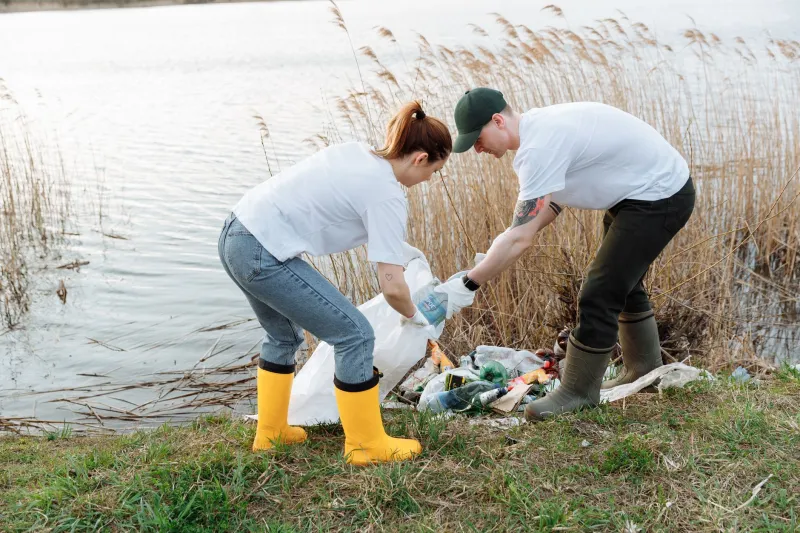
The 6am Field
There is a particular kind of quiet that settles over a Dorset festival field on Monday morning. The bass bins have stopped. The burger van is cold. The car park is a grid of tyre tracks and lost flip-flops. And then, just as the first dog walkers appear on the ridgeway, the real last shift begins.
You will not see it on the lineup poster. There is no wristband for it. But every weekend in a field — whether it is a few hundred people near Bridport or a few thousand outside Wareham — ends with a crew walking slowly, heads down, picking up what the rest of us left behind. It is not glamorous. It is not meant to be. But it is the part of the festival weekend that decides whether the site gets borrowed again next year.
What Actually Gets Left Behind
Walk a Dorset festival field at dawn and the inventory is depressingly familiar. Half-collapsed tents. Camping chairs with one leg missing. Sleeping bags that have been rained on since Friday. Disposable barbecues, gas canisters, beer cans, wet wipes, glitter, a single trainer, and enough plastic ponchos to wrap a small flock of sheep.
Some of it is forgetfulness. Some of it is the Monday-morning maths of a train ticket and a heavy bag. But a fair amount is the quiet assumption that someone else will deal with it. That assumption has a cost, and it lands on the people who own the land, the crews who clean it, and the festivals that have to budget for it before a single ticket is sold.
The Cost of a Weekend in a Field
Cleaning up a festival site is not a case of one van and a few bin bags. It means skip hire, recycling sorting, staff hours, tractor time, and sometimes weeks of land restoration before a farmer will let livestock back on. Council licensing teams want to see waste plans. Landowners want to see deposits. And small festivals — the ones that make Dorset's weekend calendar interesting — feel every pound of it.
That is the bit festivalgoers rarely see. A ticket covers the bands, the toilets, the fencing and the first aid. It does not automatically cover the difference between a field that is left tidy and a field that is left looking like a car boot sale after a storm. When cleanup costs rise, something has to give. Often it is the small, strange, brilliant events that cannot absorb another bill.
The Farmer's Side of the Gate
Dorset's festival fields are usually working land. That means the person who lets a festival use them is not just a landlord; they are a farmer with livestock, soil and a next harvest to think about. Litter in a field is not just ugly. It is a risk to animals, a problem for silage, and a reason to say no next time.
Farmers talk. Word travels across the county. A site that is left in good order gets recommended. A site that is left with tents, glass and gas canisters becomes a cautionary tale. The relationship between a festival and a landowner is built over years and can be damaged in a single messy Monday.
Leave No Trace Is a Rent Cheque
It is easy to treat 'leave no trace' as a slogan — something to put on a reusable cup and forget about. But in Dorset it is closer to a rent cheque. The field is borrowed. The weekend is temporary. The cleanup is what makes the next weekend possible.
That does not mean festivalgoers have to be perfect. It means we have to be honest about the small decisions. Taking a broken tent home instead of leaving it by a bin. Carrying out a gas canister rather than tucking it behind a hedge. Using the recycling points that are actually there, rather than treating the grass as a general waste bin. None of it is heroic. All of it adds up.
Five Things to Do Before You Drive Home
-
Pack a bin bag on day one, not Monday morning. A single bag in the tent porch catches most of the small stuff before it becomes field litter.
-
Take your tent home, even if it is broken. A torn tent is still waste that has to be handled. Leaving it in the field just moves the problem to someone else.
-
Gas canisters and disposable barbecues do not belong in a hedge. Use the designated drop-off point or take them home for proper recycling.
-
Flatten boxes and use the bins that are provided. If a bin is full, do not build a small monument beside it. Take your rubbish to the next point or back to the car.
-
Respect the Monday gate. If the site has a 10am departure, that is not a suggestion. The crew needs the field clear so the cleanup can start.
The Quiet Shift
The Monday morning after is not an epilogue. It is part of the weekend. The people walking the field with bin bags and gloves are the last act on the bill, and they are the reason Dorset's festival calendar keeps its shape.
So when you plan your next weekend in a field — and there are plenty worth planning in 2026 — think about the version of the site you want to leave behind. The best festivalgoers are not the ones who arrive loudest. They are the ones who leave the field as if they were never there.