Fork First, Ask Later: How Dorset’s Cake Stalls Quietly Run the Show
Photo: Kanimozhi Vennila, CC0, via Wikimedia Commons
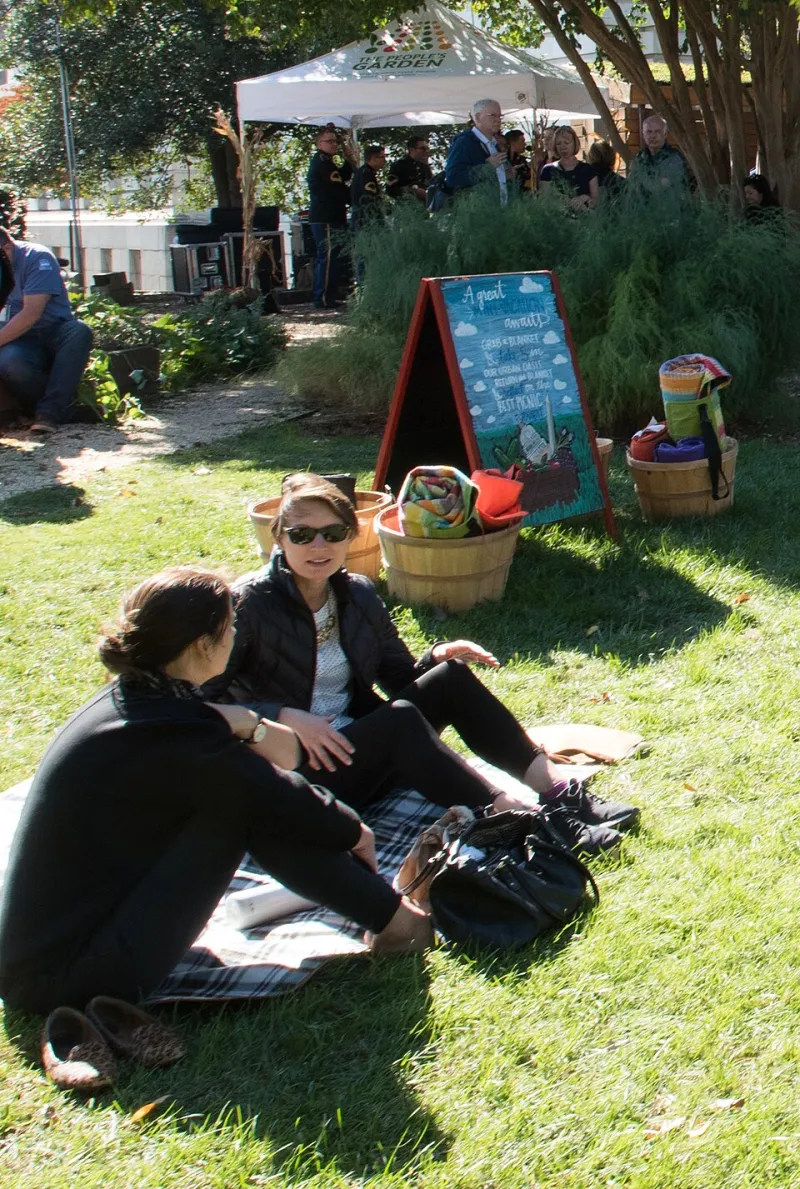
There is a moment at many Dorset festivals when the main stage is doing its best and nobody is watching. It is 11:40 on a Saturday, the sun is out, and the longest queue in the field is for cake. Not the bar. Not the coffee van with the punning name. A trestle table, a tea urn, a hand-written sign saying “lemon drizzle — £3.50”, and a small army of people clutching paper plates.
It is not a fluke. Across the county’s festival calendar in 2026, the cake stall has become the quiet engine of the weekend. It feeds people, yes, but it also does something subtler: it slows the pace, starts conversations and gives a field full of strangers a shared point of reference. You can ignore a headline set. You cannot ignore a good Victoria sponge.
The queue is the review
You can learn a lot about a festival cake stall before you taste anything. Start with the queue. A good one is not necessarily long — it is mixed. Pensioners in folding chairs, teenagers who have clearly been sent on a mission, a parent holding a toddler and a reusable cup, someone in a waterproof that has seen better weekends. If the line is made up entirely of people filming the table for social media, walk on. If it contains at least three people who look like they have been coming to this festival since before the current organisers were born, join it.
Then look at the table itself. Cling film is fine. Slightly uneven slices are a good sign. A small cash box and a laminated allergen list are better. A stall that has printed a QR code but cannot tell you whether the flapjack contains nuts is not a stall; it is a branding exercise with buttercream.
What separates a proper cake stall from a table of sad traybakes
The best stalls have a bit of personality and a lot of shorthand. “Mary’s lemon drizzle” means something. “Gluten-free by Sue” means something. A label that says “vegan — please ask” is not an apology; it is an invitation. The worst stalls have one giant, dry-looking traybake cut into squares the size of paving slabs and a sign that says “CAKES” as if the word alone were enough.
A genuinely good Dorset festival cake stall tends to have a few things in common:
- a proper tea urn, or at least a teapot that has been used before this morning
- more than one type of cake, and at least one thing that is not brown
- small change, because cards are fine until the signal drops
- a person behind the table who can tell you what is in it without reading a label
- a box of napkins that is not empty by 11am
- a cake that looks like it was made by someone who has made it before
The village hall standard still holds. If the stall feels like a bring-and-buy sale with better baking, you are in the right place. If it feels like a pop-up brand activation, you are not.
The unwritten rules of festival cake etiquette
There is no official rulebook, but there is a code. It goes something like this:
Do not ask for a sample. This is not a farmers’ market. Buy a slice, or move along.
Do not photograph every cake while the queue waits. One quick picture is fine. A full photoshoot with a ring light is not.
If you want the last slice, ask. Someone behind you may have been eyeing it since the gate opened.
Do not lean over the trestle table. It is a table, not a barrier. Stand back and point.
Say what you want. “What’s nice?” puts the volunteer on the spot and holds up the line. “Lemon drizzle and a tea, please” is the language of the saints.
Do not haggle. It is a festival cake stall, not a car boot sale. The money is going to the village hall roof fund or the local scout group. Pay the £3.50 and say thank you.
And if you are gluten-free, ask before you touch the tongs. The same tongs have been in the brownies. This is not a drill.
Why it beats the main stage
The main stage is fine. It is loud and exciting and occasionally brilliant. But the cake stall is where the weekend actually happens. It is where you sit down next to someone you have never met and end up talking about Dorset apple cake for twenty minutes. It is where you find out that the festival has been running since the 1980s and that the woman selling flapjacks has been doing it for fifteen years. It is where the festival stops being a line-up and starts being a place.
There is also the cost. A £3.50 slice and a 50p tea is still cheaper than most festival meals, and it buys you a seat, a conversation and a bit of shelter from the noise. In 2026, with weekend tickets creeping up and everyone watching their spending, that matters. The cake stall is the great leveller. You can be sixteen or seventy-six and still have an opinion on whether the sponge is too dry.
A short field guide to Dorset cake stall classics
You will see the usual suspects, and you should greet them warmly. Victoria sponge, cut thick, with jam that has not been rationed. Lemon drizzle with a proper crunch on top. Dorset apple cake, ideally warm, ideally with a bit of cinnamon. Flapjacks that are either chewy or tooth-breaking, with no middle ground. Brownies that are more fudge than cake. Scones with jam and clotted cream, though the cream-first debate is best avoided before noon. Ginger cake, banana bread, and — increasingly in 2026 — a decent vegan option that is not just a dry flapjack in disguise.
If you are near Bridport, Sherborne, Wareham, Lyme Regis or anywhere in the Purbeck countryside, the standard is high. Village halls and church tents have been doing this for decades. They know what they are doing.
How to plan your cake stop
Go early. The best cakes go by lunchtime, and the queue is shorter before the first band. Bring cash, even if the stall takes cards, because the card reader will fail at the worst possible moment. Keep an eye out for the tea tent rather than the cake stall — the two are often the same thing, but not always. If you are camping, buy cake for later and keep it somewhere cool. And if you see a sign for a village hall fund, put your change in the tin.
The main stage will always have its moment. But the cake stall is where you find the festival’s pulse, one uneven slice at a time. In 2026, plan a weekend around it. You will not regret it.