Odd Socks, Lost Torches and the Quiet Morality of the Festival Find

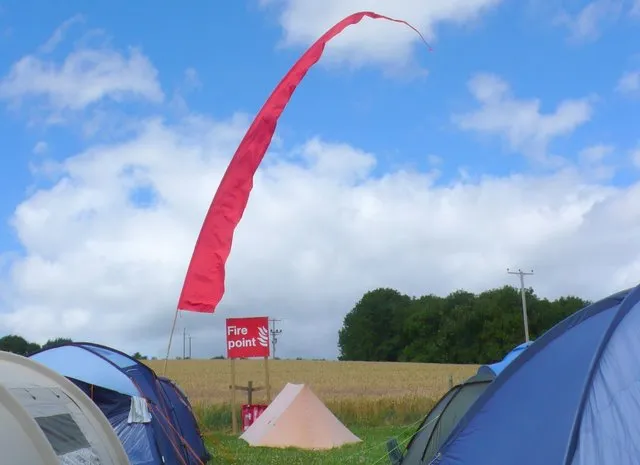
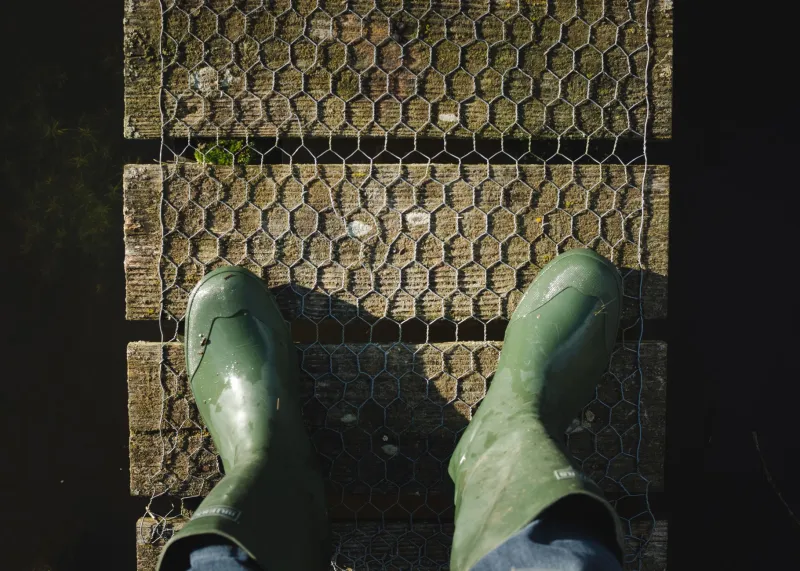
There is a certain kind of Dorset festival table that tells you more about the weekend than any lineup poster. It sits near the info tent, usually under a bit of tarpaulin, and it is covered in the quiet debris of a good time: one muddy welly, three phone chargers, a child’s jumper, a pair of glasses, a torch that has clearly been through it, and a carrier bag marked ‘keys?’ in biro.
The lost property table is not glamorous. It is not Instagrammed. But it is one of the most honest attractions on site. Nobody is trying to sell you anything. Nobody is performing. It is just a record of everything a field full of people managed to lose between Friday night and Sunday lunchtime — and a small test of how decent everyone is prepared to be.
The table tells you what a festival actually is
Look closely at a lost property pile and you can read the weekend backwards. The single wellies usually appear after a wet Saturday night. The hoodies and fleeces turn up when the sun comes out and everyone peels off a layer near the main stage. The phone chargers cluster around the charging point. The tent pegs and mallet are the final-day speciality, handed in by campers who have just discovered they are one peg short of a dignified pack-down.
Then there are the genuinely odd items. A saucepan. A birthday card. One shoe, not a welly. A packet of biscuits with a bite taken out. A child’s cuddly toy that has clearly had a very long weekend. Dorset’s smaller festivals are especially good at this. With fewer people and more familiar faces, the lost property table starts to feel less like a bin and more like a community noticeboard with a hangover.
How reclaiming actually works
Most festivals run lost property through the info point, welfare tent or a designated steward. High-value items — phones, wallets, keys, bank cards — are usually logged and kept somewhere more secure than a trestle table. That means the table is not always the whole story. If your phone has vanished, do not just stare at a pile of hats and assume the worst. Ask a steward, and ask early.
The system generally works like this: an item is handed in, a steward notes what it is and roughly where it was found, and it is stored until someone can describe it well enough to claim it. At smaller Dorset events, this might be a clipboard and a plastic box. At bigger ones, it may be a proper log with timestamps. Either way, the same rule applies: check before you leave. It is much easier to reunite a torch with its owner at 10am on Sunday than by email three weeks later.
If you are leaving site and cannot find something, ask at the gate or the info tent whether there is an after-event contact. Do not assume the festival will post every single item online. Most will not. And if you are the one who finds something, hand it in rather than leaving it on the table yourself. A steward can log it, secure it and give the next person a fair chance.
Mark it before you lose it
A labelled torch beats a panicked social-media post every time. The best lost property strategy is boring, cheap and done before you leave home. Put a luggage tag or a strip of coloured tape on your torch, power bank, keys and camera bag. Write a name and a mobile number — not your full home address. If you are travelling with children, put a parent’s number on a wristband or inside a coat label. A missing child is not a lost property issue, but a labelled layer can still save a lot of worry.
For 2026 weekends, a few small habits go a long way. Photograph the serial number or a distinguishing mark on anything valuable. Use a bright strap or sticker on your phone case. Keep medication in a labelled pouch and tell your camping neighbour where it lives. Do not rely on a Bluetooth tracker alone; batteries die, signals drop and fields are fields. A physical label is still the most reliable technology in Dorset.
Search in the right order
Before you join the queue at the info tent, do a proper sweep. Check tent pockets, sleeping bag liners, under the groundsheet, the car boot and the bottom of your bag. Then retrace your weekend: the washroom hooks, the shower block, the bar, the food stalls, the charging point, the first aid tent, the gate. Ask the stewards who worked your area. Lost property often travels sideways before it travels to the table.
Do not forget the campsite perimeter. Torches, keys and drinks bottles have a habit of falling out near tent lines and picnic benches. If you find something in the grass, take it to the info point rather than leaving it on a bench where the next gust of wind can claim it. And if you are posting online, be specific but not careless. Say ‘found a bunch of keys near the west gate on Saturday evening’ rather than sharing a photo of bank cards or full ID.
The etiquette of claiming a single muddy welly
The lost property table works on trust, and trust has rules. Do not rummage through bags. Do not take something because it looks ‘close enough’. Be ready to describe the item — colour, mark, sticker, the fact that one buckle is broken — and accept that the steward may ask you to wait while they check. If you are claiming a single muddy welly, bring the other one if you can. It is the closest thing the festival has to a proof of purchase.
If you find a lone welly, hand it in with the location and time. Do not prop it on a fence post and hope. And please do not treat the table as a free shop at the end of the weekend. That hoodie may look abandoned, but someone is probably still looking for it. The small etiquette of lost property is simple: leave things better than you found them, and only take what is actually yours.
A table worth checking before you go
The lost property table will never make a festival poster. It will not get a headline slot. But it is one of the truest things on site: a pile of ordinary objects that says people came, had a weekend, lost a bit of kit and mostly tried to do the right thing. Before you drive out of that Dorset field in 2026, check the info tent one last time. Label your torch. Hand in the welly. And if you spot someone else’s keys in the grass, be the person who does the decent thing.