Muddy Boots, Closed Gates and the Fine Art of Not Annoying a Dorset Farmer
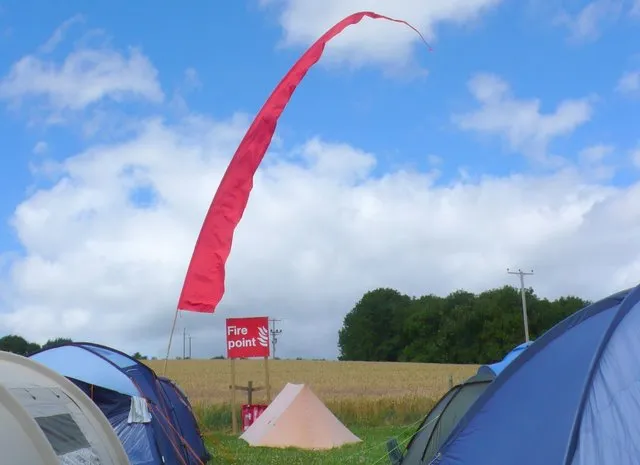
Photo: Nigel Mykura, CC BY-SA 2.0, via Wikimedia Commons
A festival field in Dorset is never really a blank canvas. For most of the year it has a proper job: growing grass, holding livestock, producing silage, or giving a tractor somewhere to turn. Then a few thousand of us arrive with tents, wellies and a longing for a decent coffee, and the field becomes a festival. The farmer has not stopped being a farmer for the weekend. They have simply added crowd management, mud control and portaloo logistics to an already long list.
That is why field manners matter. Not in a finger-wagging way, but in the same way you would not put your boots on someone’s sofa. Dorset’s small festivals depend on landowners who are willing to say yes. A bit of care from the rest of us helps make sure they keep saying yes in 2026 and beyond.
The gate is not a suggestion
If there is one thing that unites farmers across Purbeck, the Blackmore Vale and the Marshwood Vale, it is a deep and reasonable attachment to closed gates. A gate left open is not a minor oversight. It is livestock on the road, a neighbour’s crop ruined, or an animal injured.
So: close every gate behind you, even if it was open when you arrived. If it is tied with baler twine, untie it and tie it back the same way. Do not prop a gate open with a beer can, a pushchair or your mate’s rucksack. If you are not sure whether a gate should be open or closed, wait for a steward or leave it as you found it. The field is not a playground; it is someone’s workplace with a very literal set of rules.
Parking: think like a tractor, not a tourist
Festival parking is often a grass field, a track, or a bit of land that looks firmer than it is. Arriving in daylight helps. Following the marshals helps more. Do not park in front of a gateway, on a verge, under a tree with low branches, or on the only bit of track wide enough for a feed lorry.
Car sharing is quietly brilliant here. Fewer cars mean less mud, less congestion and less chance of a farmer spending Monday morning pulling vehicles out with a telehandler. If you are asked to park in a certain direction, do it. If you are told to leave your car where it is until the ground firms up, resist the urge to be the hero who tries to drive out early. The person in the high-vis jacket has seen this before. You have not.
Mud has a memory
Dorset clay is not like the mud in a film. It holds water, grips boots and remembers every wheelspin. One person flooring it in a wet corner can turn a passable track into a rutted mess that costs time and money to repair.
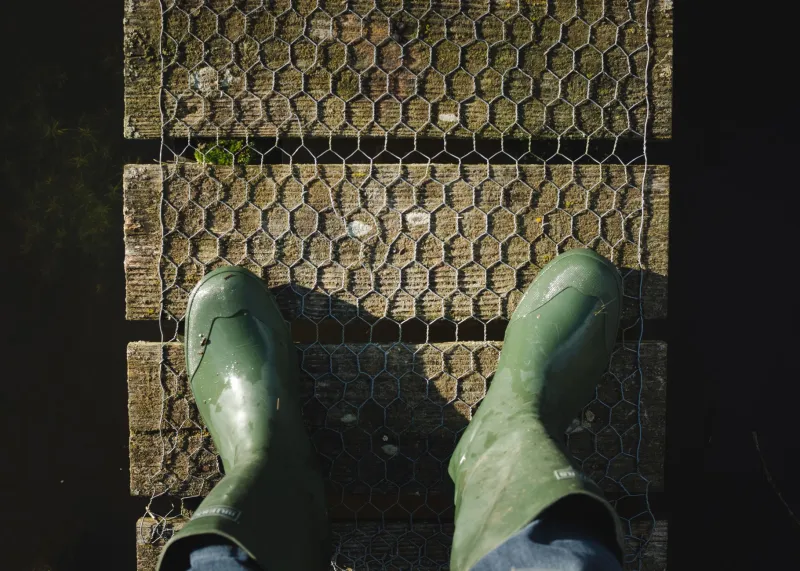
Keep to marked routes, even when they are longer. Do not widen a path by walking around the edge. Do not drive across a wet field to save a five-minute walk. If you get stuck, ask a steward rather than revving harder. And pack boots you can afford to get filthy. Mud is part of the weekend. Deep ruts are part of next year’s repair bill.
Litter is not just litter
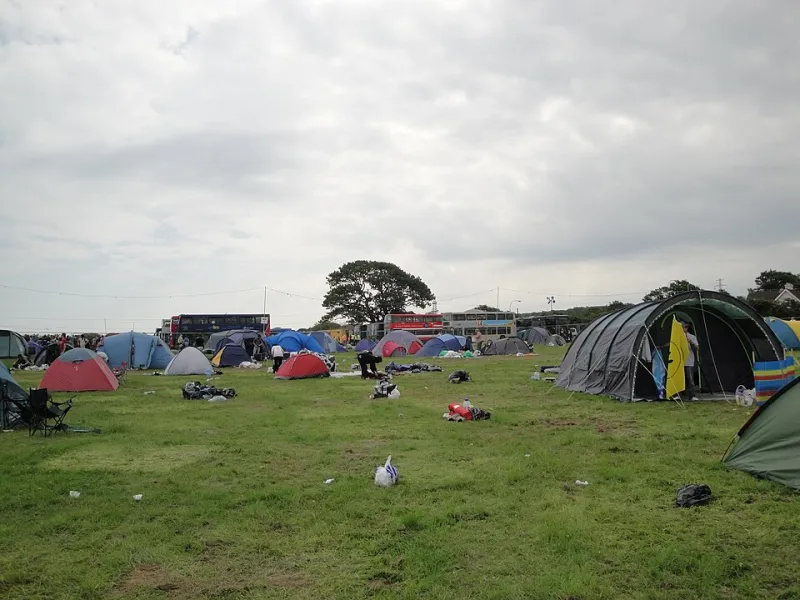
Most festivalgoers are tidy. The problem is the small stuff: tent pegs, glitter, cigarette butts, wet wipes, cable ties, and the odd abandoned camping chair. Farmers notice all of it. A cigarette butt in silage is a fire risk. A tent peg in a field can damage machinery. A stray bit of plastic can end up in a bale.
Bring a bin bag and take your rubbish home if bins are full. Do not bury it, burn it or leave it in a neat little pile for someone else. Disposable barbecues need to go in the proper place, not in a hedge. If you smoke, carry a tin. If you bring glitter, keep it off the grass. Leave the field as if the next person to walk it will be a sheep, a tractor or a farmer with a clipboard.
Livestock, wildlife and the things that live there
Do not feed animals. Do not chase them, photograph them up close, or let children treat a field of ewes like a petting zoo. If a dog is allowed, keep it on a lead and keep it away from livestock. If livestock are in the field, give them space and follow any instructions from the landowner.
Dorset’s festival fields sit in a working landscape, often close to hedgerows, streams and woodland. Stick to the festival footprint. Do not cut through crops, climb fences, or wander into barns and farmyards. If you find an injured animal or something that looks wrong, tell a steward rather than trying to sort it yourself.
Respect the working bits
A farm is not a theme park with better views. Do not move machinery, use taps without asking, or let kids play on trailers. Do not block tracks with camp chairs. If you need water, ask where to get it. If you are camping near a hedge, remember that the other side might be a crop, a garden or a road.
The best festival guests are almost invisible after they leave. They close gates, take their rubbish, follow the stewards and say thank you on the way out. That sounds small. It is not. Landowners talk to each other. A good weekend can secure a field for years. A bad one can end a small festival’s welcome.
Why this matters for 2026
Dorset’s festival scene is built on trust between organisers, landowners and the people who turn up. Many of the county’s best weekends are small, rural and deeply dependent on a farmer deciding that the disruption is worth it. Good field manners are part of the ticket price, even if they are not printed on it.
As the 2026 season winds down and fields begin to recover, the same rule applies for next year: treat the field like someone’s workplace, not a disposable backdrop. Close the gate. Take the litter. Watch the mud. Say thanks. You will be welcome back, and so will the festival.