Before the First Chord: What Dorset Festival Stalls Tell You About the Weekend
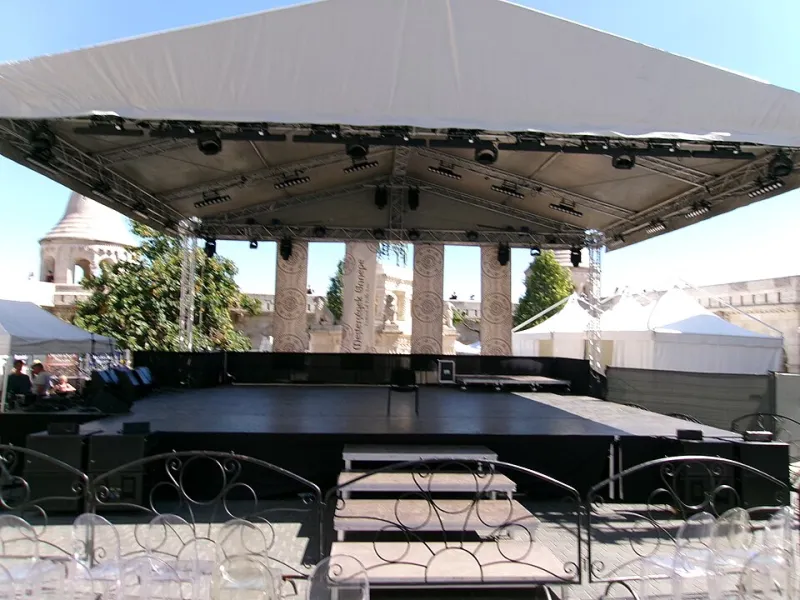
Photo: Globetrotter19, CC BY-SA 4.0, via Wikimedia Commons
You can learn a lot about a Dorset festival while the field is still half-built. The PA is making that occasional worried cough. Someone is winding cable around a fence post. And over by the gate, a stallholder is unfolding a trestle table and arranging a row of enamel pins like they’re setting out the family silver.
That early hour is underrated. Before the first chord, before the crowd finds its rhythm, the stalls are already telling you what kind of weekend this is going to be. Not in a formal review sense — nobody’s handing out star ratings next to the tea urn — but in the small, practical signals that matter: who the festival is for, how organised it is, and whether it feels rooted in Dorset or dropped in from a generic events warehouse.
The merch table is often the first honest review you’ll get. It’s worth reading properly.
Start with the price tags
A stall selling £22 T-shirts, £8 patches and £3 stickers isn’t automatically better or worse than one selling a £45 hoodie. The question is whether the pricing feels thought through. Clear, consistent prices — £3, £8, £15, all neatly marked — suggest a stallholder who has done this before and respects your time. A handwritten sign saying “ask for prices” can be charming, but it also tells you the queue is about to become a conversation.
For buyers, the useful move is to set a rough budget before you get distracted by a nice linocut print of Portland Bill. Decide what you’ll spend on a keepable thing, then spend it with one or two makers rather than scattering £5 notes across six tables. Ask about sizing and washing instructions. If a stall is selling limited runs, ask how limited — politely. It’s not a negotiation; it’s a buying decision.
And check the date on the stock. A 2026 festival tee is a souvenir. A box of undated, generic festival tops is a business. Neither is a crime, but only one of them will remind you where you were standing when the rain finally stopped.
Signage is the festival’s handwriting
You can tell a lot from a laminated sign. Does it list sizes? Does it say card accepted? Does it explain that the tote bags are under the table, not hanging behind the stallholder’s head? Good signage is unglamorous and deeply reassuring. It means someone stood in a wet field a week earlier and thought: people will ask this.
Hand-painted signs are lovely, especially when they come with a maker’s name and a little sketch. But look for the practical details too. A stall that says “cash only” when the nearest cashpoint is a twenty-minute drive away is telling you something about the weekend’s planning. A stall that says “card and cash, no signal needed” is telling you something much better.
Signage also reveals the festival’s personality. One table may have a chalkboard listing the maker’s Dorset stockists. Another may have a printed banner with three exclamation marks and a QR code. Neither is the measure of a good weekend on its own, but together they sketch the place: homemade, professional, chaotic, careful, or some combination of all four.
The local-maker ratio
This isn’t a purity test. Every festival needs a van selling emergency ponchos and phone chargers, and nobody wants to be the person sniffing at a mass-produced hoodie when the temperature drops. But look at how much of the stall line-up is actually local.
A Dorset festival with a decent spread of Bridport textiles, Purbeck woodwork, Lyme Regis prints, Sherborne ceramics or small-batch food from within the county is usually a festival with roots. It means the organisers have done more than book a field and a band. They’ve asked people who live nearby to turn up and sell their work.
You can vote with your wallet here without making a speech about it. Ask a maker where they’re based. Buy the £6 card if that’s what you can afford. Take a card for the workshop you can’t get to this weekend. The local-maker stall is not just shopping; it’s a small piece of the festival’s relationship with the place it’s happening in.
What’s missing from the table
Sometimes the most useful thing about a stall is what isn’t there. No price list. No sizes above medium. No change for a twenty. No clue who made the thing or where it came from. That doesn’t make it a bad festival, but it does tell you to adjust your expectations — and your shopping strategy.
Carry a little cash, even in 2026. Bring a reusable bag that isn’t already full of wet weather gear. If you’re buying a gift, ask for a receipt or at least check the maker’s name on the label. And if a stall looks like it’s selling the same wholesale jewellery you’ve seen at three other events, that’s fine — but don’t let it be the only thing you buy all weekend.
The craft tent is the festival’s living room
A craft tent with chairs, demos and a slightly chaotic children’s table is often the most revealing spot on site. It says the festival expects people to linger, not just queue for the bar. It says there might be a quieter hour in the middle of Saturday. It says someone has thought about what happens when the weather turns and the main stage isn’t the only place to be.
If the craft stalls are rushed and crammed into a corridor, that’s a signal too. It doesn’t mean the music will be bad. It just means the weekend is built around the stage and the stalls are an afterthought. Some festivals are like that. The best ones usually aren’t.
The queue is part of the review
Look at who’s queuing and how they’re being treated. A stallholder who thanks people for waiting, explains the card machine’s mood, and keeps the line moving is doing more for the festival’s atmosphere than a headline act on a bad sound system. A food stall with a short menu and a long queue is often a better bet than a long menu and no queue at all.
This is also where the practical tips live. Eat before you’re starving. Buy coffee before the set you care about, not during it. If a stall is cash-only, don’t discover that with a tray of chips in one hand and no signal in the other.
The verdict before the first band
The merch table won’t tell you whether the headline act will be brilliant. It won’t tell you if the sound will carry to the back of the field or whether the rain will hold off until the encore. But it will tell you plenty about the weekend you’ve walked into: how much care has gone into the details, how connected it is to Dorset, and whether the people running it understand that a festival is made of small transactions as much as big moments.
So go early. Walk the stalls before the first band. Read the signs, ask a question, buy the £4 badge if it makes you smile. The first honest review of a Dorset festival is usually handwritten on a card beside a card machine, and it’s worth more attention than you might think.